
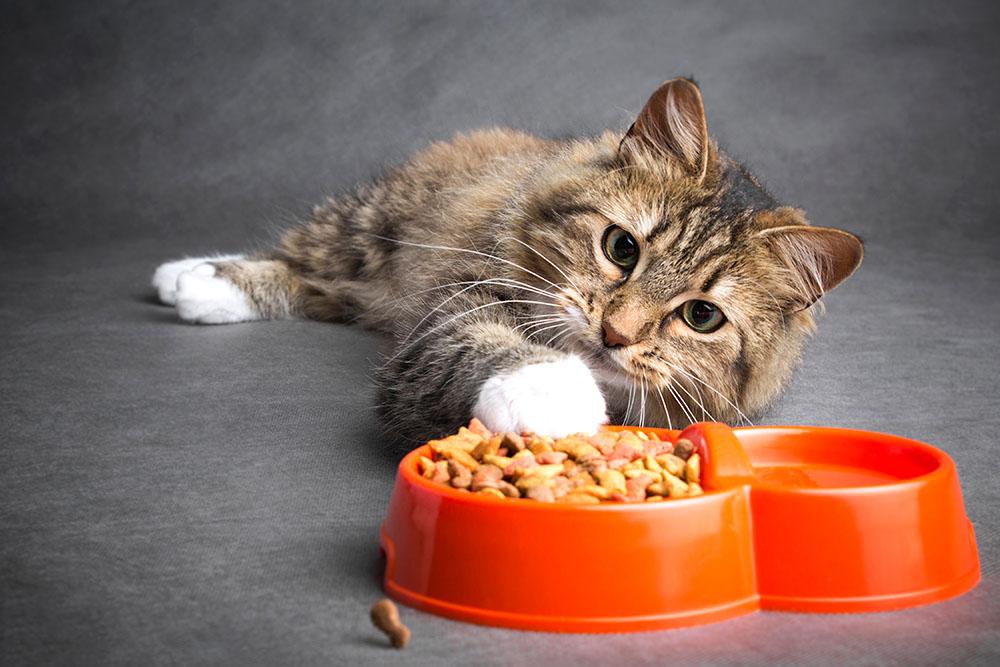
How to Transition Your Cat to a New Diet Safely and Effectively
Beginning a new cat diet might seem simple but doing it the wrong way can lead to your cat having stomach upset, food refusal, or stress. Whether you’re switching brands, introducing a prescription diet, or moving from dry to wet food, a careful transition makes all the difference. At Veterinarians to Cats in Roanoke, VA, we guide pet parents through this process to ensure a smooth, healthy change.
Start with a Clear Reason for Changing Your Cat’s Diet
Before you switch your cat’s food, identify why the change is necessary. Are you addressing a medical condition? Trying to reduce weight? Looking for a food that supports better digestion or energy levels? Knowing your goal helps you choose the right new diet and allows your veterinarian to provide tailored recommendations. Never change food just for variety—cats do best with consistent nutrition.
Transition Slowly Over 7 to 10 Days
Cats have sensitive stomachs, so sudden changes can lead to vomiting, diarrhea, or refusal to eat. Instead, make the transition gradual. Start by mixing 75 percent of the old food with 25 percent of the new food for the first two days. Slowly increase the new food ratio every few days until you reach 100 percent of the new diet by day 7 or 10. This slow pace gives your cat’s digestive system time to adjust.
Monitor for Signs of Trouble During the Switch
Watch your cat closely throughout the transition. If you notice vomiting, diarrhea, constipation, or loss of appetite, pause the change and consult your vet. Some cats need a longer adjustment period or a different formula altogether. Behavioral changes—like hiding, over-grooming, or agitation—can also signal discomfort. Trust your instincts and contact our clinic if something feels off.
Make Mealtime Positive and Stress-Free
Cats associate their food with safety and routine. Keep mealtimes quiet and consistent. Offer the food in a familiar dish, in the same place and at the same times each day. If your cat hesitates, warm the food slightly or add a small amount of tuna water (not oil) to make it more appealing. Never punish your cat for not eating—patience builds trust.
Consult Your Veterinarian Before and During the Transition
Every cat is different. What works for one may not work for another, especially if your cat has underlying health conditions. At Veterinarians to Cats, we offer personalized nutritional guidance based on your cat’s age, lifestyle, and health. We can also recommend prescription diets and track progress to ensure long-term success.
Ready to make a dietary change for your cat? Schedule a visit with Veterinarians to Cats in Roanoke, VA. We’ll help you choose the right food and create a safe, stress-free transition plan that supports your cat’s health and happiness.
For more on feline care, call Veterinarians to Cats at (540) 989-1400. Follow us on Facebook for updates and more information. We are ready to discuss your cat’s diet.